Burst Fade vs Skin Fade: Which One Should You Get?
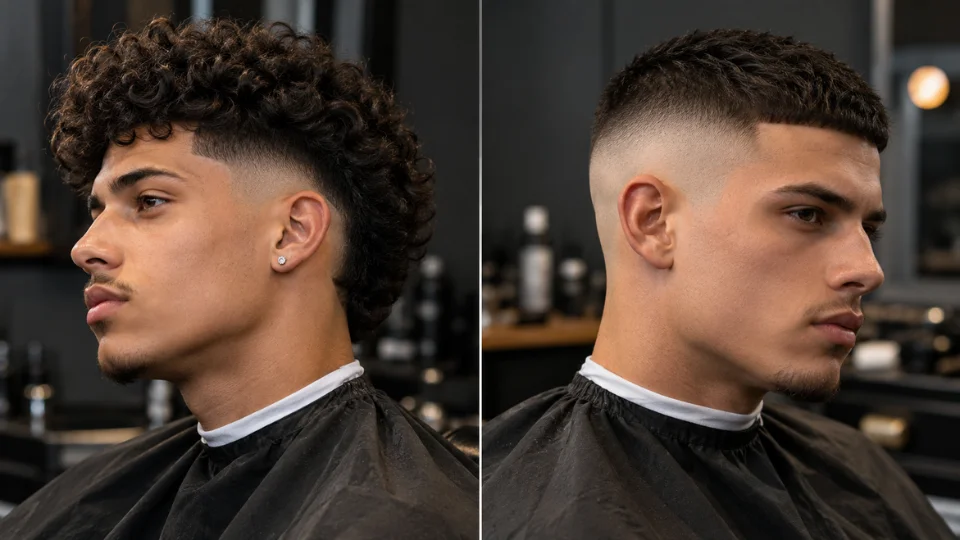
Burst fade vs skin fade ,You’ve seen both terms thrown around online, and now you’re stuck. Burst fade. Skin fade. They sound like they might be the same thing. They’re not, but the mix-up is understandable, because a lot of barbershop websites use these words loosely.
Here’s the truth nobody explains clearly enough: one of these terms describes a shape. The other describes a depth. Once that clicks, you’ll never confuse them again, and you’ll walk into your next barber appointment knowing exactly what to ask for.
Let’s break it down properly.
Quick Answer
A burst fade is a shape, the fade curves around the ear instead of running straight. A skin fade is a depth, the hair is cut down to bare skin, and it can appear low, mid, or high anywhere on the head. You can actually combine both into a “burst skin fade.”
What Is a Burst Fade?
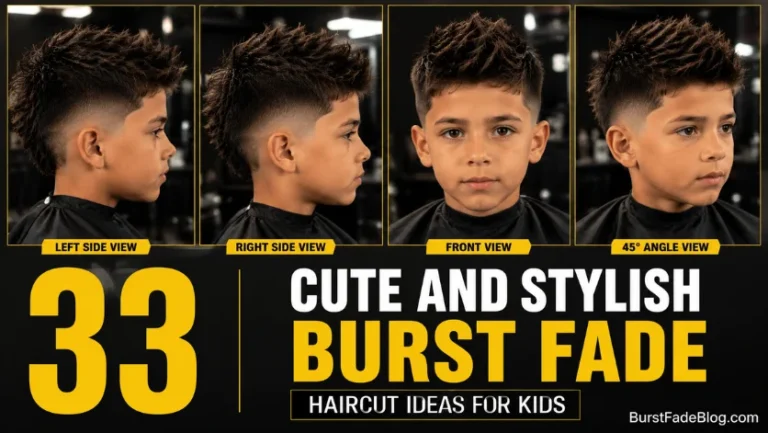
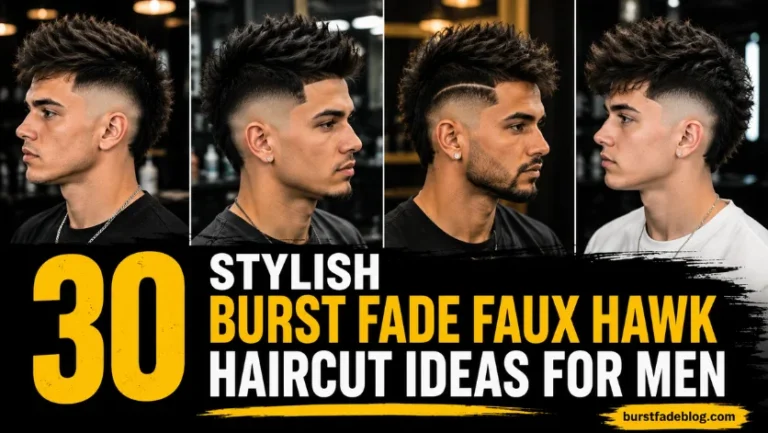
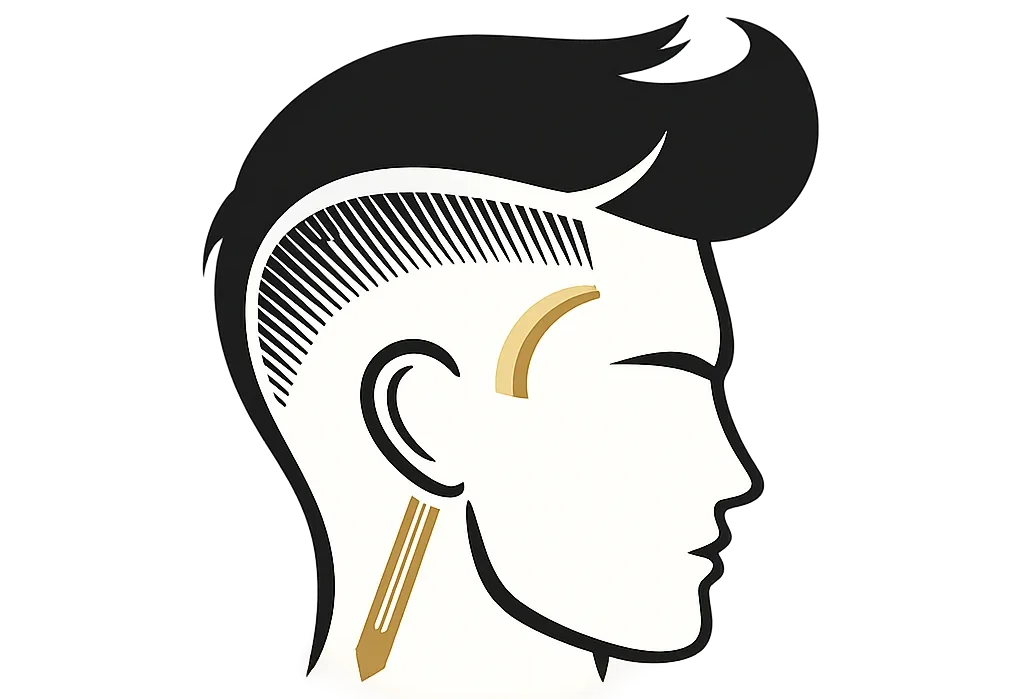
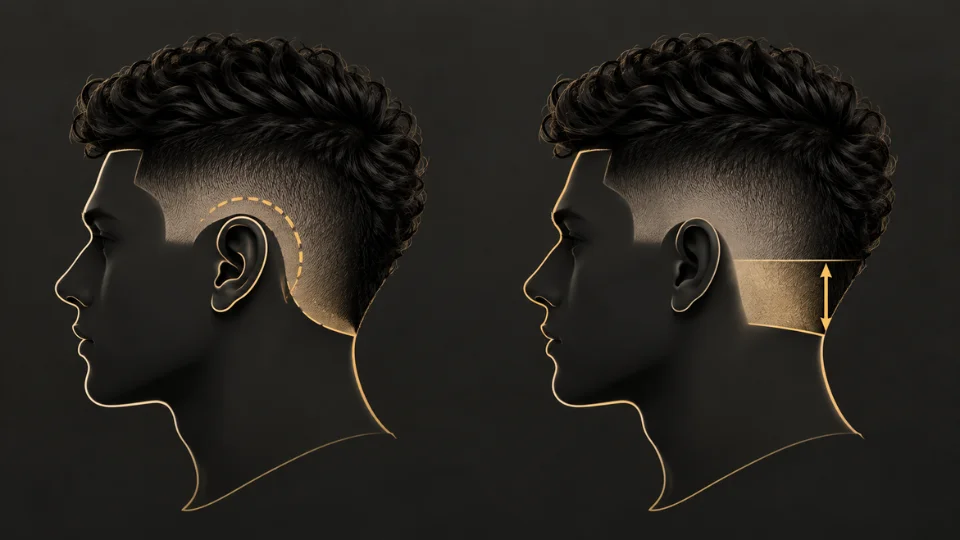
A burst fade gets its name from the way the fade “bursts” outward in a curve around the ear, instead of following a flat, straight line like most classic fades. Picture a half-moon shape wrapping around your ear, that’s the burst.
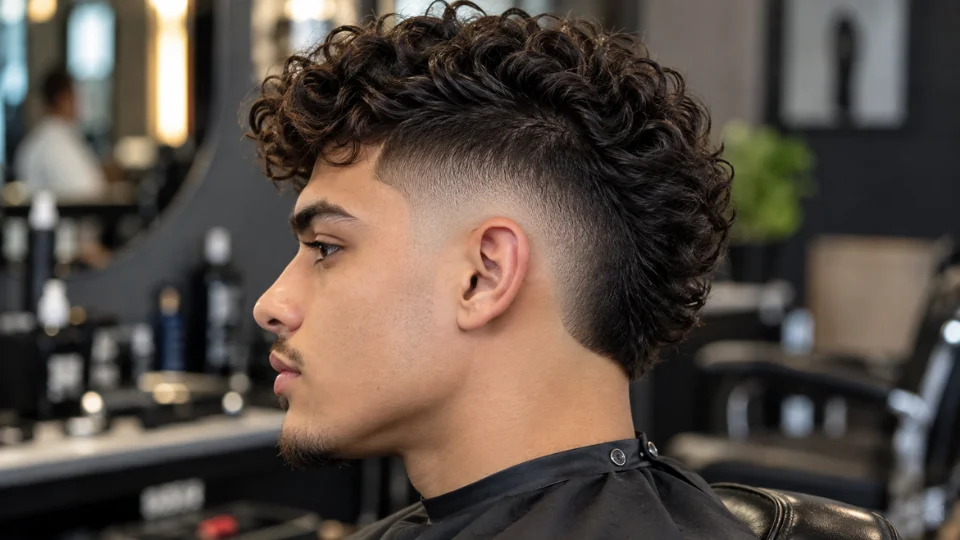
This shape is what gives burst fades their bold, energetic look. The top is usually left a bit longer, which lets that curve stand out even more. It’s a favorite among guys with curly or wavy hair, since the natural texture on top plays beautifully off the rounded sides.
What makes a burst fade different from a regular fade isn’t how short the sides get. It’s the pattern the barber follows while blending. A burst fade breaks away from the straight hairline and creates a rounded transition instead.
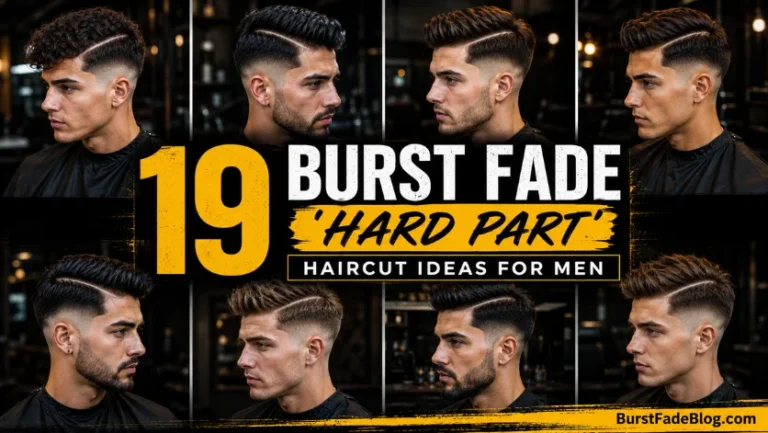
For a full breakdown of the technique and styling options, check out our complete burst fade haircut guide.
How a Burst Fade Is Cut
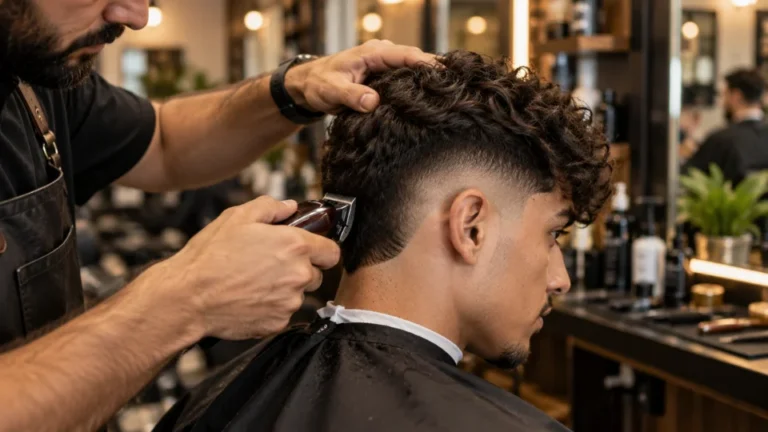
Your barber starts near the ear with a short guard, then curves the clippers upward instead of moving in a straight vertical line. This curved section, often called the “C-cup” is the defining feature of the whole haircut. From there, it blends smoothly into the longer hair on top.
Most barbers use guards in the #1 to #4 range for a burst fade, gradually stepping up in length as they move away from the curve. The neckline is typically left more natural, since the focus of this cut is really the sides and the area framing the ear.
Where the Burst Fade Shape Comes From
If you’re new to barbershop terminology, “burst” simply refers to the way the fade explodes outward in a curve, almost like a burst of energy around the ear. It’s a visual term, not a technical clipper setting, which is exactly why it gets confused with skin fade so often. One is a shape name. The other, as you’ll see next, is a finish name.
What Is a Skin Fade?
A skin fade, sometimes called a bald fade, is any fade that’s cut all the way down to bare skin. That’s the whole definition. It says nothing about where on the head the fade sits, and nothing about whether the sides are straight or curved.
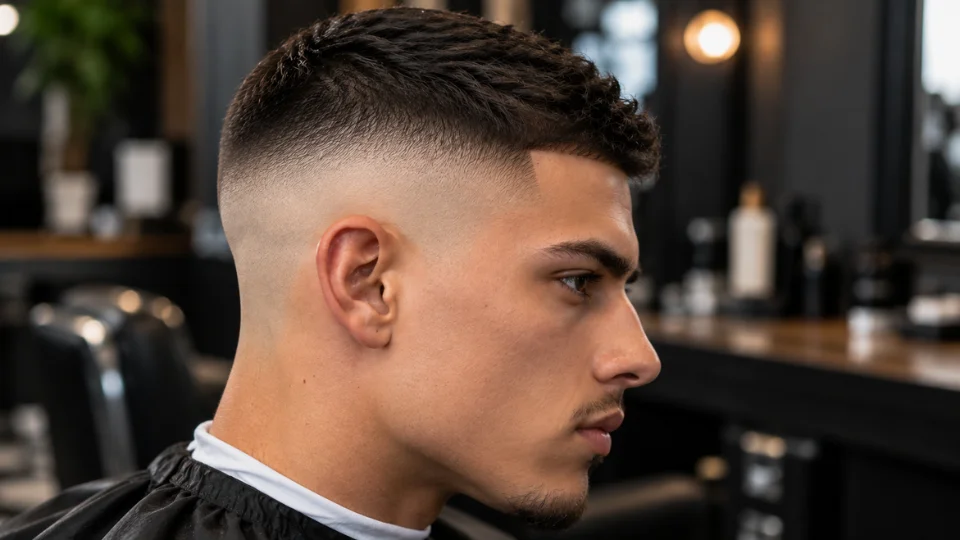
This is the part most articles get wrong. A skin fade isn’t a shape. It’s finished. You can have a skin fade that runs in a straight taper line, and you can have a skin fade that curves in a burst pattern. The “skin” part just tells your barber how short you want the bottom of the fade to go.
Because it goes all the way to the skin, this cut creates the sharpest, most dramatic contrast of any fade style. It’s a go-to choice for guys who want a clean, high-impact look.
Want the bigger picture on where skin fades fit among other fade styles? Our fade haircut guide covers every major variation.
How a Skin Fade Is Cut
Getting hair down to bare skin takes real precision. Barbers typically start with clippers set to a 0 guard or use the clipper bare (no guard at all), then finish the edges with a straight razor or foil shaver for that glass-smooth look near the hairline and temples.
This is genuinely one of the harder techniques in barbering. There’s zero room for unevenness, bare skin shows every mistake instantly. That’s part of why an experienced barber matters so much here.
Skin Fade Height Variations
A skin fade can start low, near the ears and neckline, or it can climb much higher up the sides of the head. A low skin fade keeps most of the bald section tucked near the bottom, which reads as more subtle. A mid skin fade starts around temple height, and a high skin fade pushes the bald section well above the ears for maximum contrast.
If you’re weighing height options specifically, our mid fade vs low fade comparison walks through exactly how each one changes the overall look.
Burst Fade vs Skin Fade: The Real Difference (Shape vs Baldness)
Here’s the part that clears up almost every point of confusion: these two terms aren’t competing options. They’re answering two completely different questions.
“Burst fade” answers the question: what shape does the fade take around the ear? “Skin fade” answers a different question entirely: how short does the fade get at its shortest point?
Because of that, they can overlap. A “burst skin fade” is a real, commonly requested haircut, it’s a burst-shaped fade that’s been taken all the way down to bare skin. So when someone asks “should I get a burst fade or a skin fade,” the honest answer is often “you can have both.”
Fade Placement and Shape
Burst fades curve around the ear in a rounded pattern. Skin fades don’t have a fixed shape at all, they can be straight, curved, or anything in between. The shape depends entirely on the underlying fade style, not on whether it’s a skin fade.
Fade Height and Depth
This is where skin fade actually has something to say. Skin fades can start low, mid, or high, and they always end at bare skin. Burst fades typically stay in the low-to-mid range and rarely go down to complete baldness unless specifically requested.
Contrast and Boldness
Skin fades create the boldest contrast of any fade type, period, because there’s a hard line between hair and bare skin. Burst fades create strong contrast too, but it’s softened slightly by the curve and the longer top hair.
Side-by-Side Comparison Table
| Attribute | Burst Fade | Skin Fade |
| Overall Look | Rounded, textured, bold | Sharp, clean, high-contrast |
| Fade Placement | Curves around the ear | Can be anywhere — low, mid, or high |
| Fade Height | Usually low-to-mid | Fully flexible |
| Hair Length on Top | Longer, textured | Short to medium |
| Difficulty | Moderate to high | High — precision to bare skin |
| Maintenance | Every 2–3 weeks | Every 1–2 weeks |
| Barber Skill Required | High | Very high |
| Works Best For | Textured hair, bold personal style | Sharp, clean-cut looks |
| Face Shapes | Round, oval | Square, oval, diamond |
| Hair Types | Curly, wavy, thick | Straight, thick, fine |
| Styling Flexibility | High — more hair to work with | Lower — less hair on the sides |
| Professional Appearance | Moderate to high | Very high |
| Trendiness | Rising steadily | Consistently high |
| Price | Standard, sometimes slightly above | Often premium, skill-based upcharge |
| Growing Out | Curve blurs gradually | Root shadow shows within days |
| Best Choice for Beginners | Ask for a guard-based version first | Start with a low skin fade |
Feature Comparison Table
| Feature | Burst Fade | Skin Fade |
| Neckline Finish | Often left natural | Usually razor-sharp |
| Sideburn Treatment | Rounded, curved blend | Straight or sharp blend |
| Best Clipper Guard Range | #1–#4, blended | 0 guard/skin to #3 |
| Razor Work Required | Optional | Frequently required |
| Pairs Well With a Beard | Yes | Yes |
| Pairs Well With a Design | Yes | Yes, very common |
| Good for Thinning Hair | Less ideal | Very good — hides thinning |
| Comfort for Athletes | Moderate | High |
Pros and Cons
Every haircut has trade-offs. Here’s the honest breakdown for each style.
Burst Fade Pros and Cons
- Bold, textured, modern shape
- Great match for curly or wavy hair
- More styling versatility on top
❌ Cons
- Grows out unevenly faster than a straight fade
- Harder for an inexperienced barber to execute
- Needs more frequent shaping to stay sharp
Skin Fade Pros and Cons
- Sharpest, most high-contrast finish
- Extremely clean, professional look
- Hides thinning hair effectively
❌ Cons
- Fastest-growing-out fade of any style
- Requires the most skilled barber in the shop
- Higher maintenance cost over time
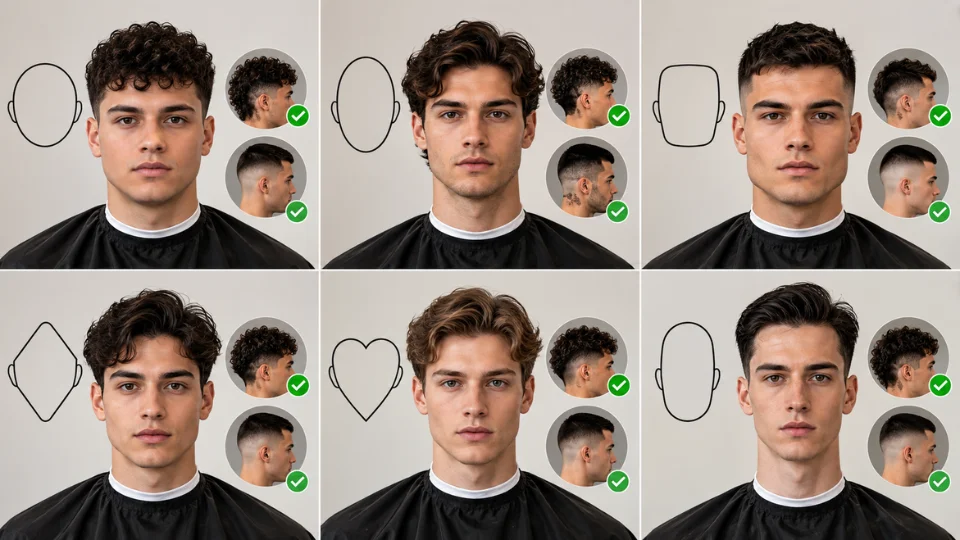
Which Haircut Fits Your Face Shape?
| Face Shape | Better Fit | Why |
| Round | Burst Fade | Adds height and angles that soften the roundness |
| Oval | Either | Naturally balanced proportions suit both styles |
| Square | Skin Fade | Sharp lines complement an already strong jawline |
| Diamond | Skin Fade | Clean, tight sides balance wider cheekbones |
| Heart | Burst Fade | Rounded top helps balance a narrower chin |
| Long | Low Skin Fade | Keeps the fade low so it doesn’t add extra vertical length |
If your face shape leans toward the burst fade side, you’ll find plenty of inspiration in our burst fade designs collection.
Which Haircut Fits Your Hair Type?
| Hair Type | Better Fit | Why |
| Straight | Skin Fade | Lies flat and shows off sharp, clean lines clearly |
| Thick | Either | Both hold their shape well throughout the day |
| Thin | Skin Fade | Reduces visible contrast around thinning areas |
| Curly | Burst Fade | The curve complements the natural curl pattern |
| Coily/Afro | Burst Fade | Works beautifully with natural volume and texture |
| Wavy | Burst Fade | Adds extra dimension to natural wave movement |
If you’ve got curls, our guide to burst fade curly hair goes deeper into styling techniques specifically for textured hair. If your hair is straight and you’re leaning burst anyway, burst fade straight hair shows you how to make it work.
Styling Difficulty and Daily Maintenance
Burst fades ask a little more of your morning routine. Because there’s more length up top and more visual detail in the curve, most guys reach for a texture paste or clay to bring out that shape. Skin fades, on the other hand, are refreshingly low-effort day to day, there’s simply less hair to manage.
| Task | Burst Fade | Skin Fade |
| Barber Visits | Every 2–3 weeks | Every 1–2 weeks |
| Daily Styling | 5–10 minutes | 3–7 minutes |
| Products Needed | Clay or paste for texture | Light pomade or none at all |
| Home Maintenance | Occasional trimmer touch-up on the neckline | Not recommended at home |
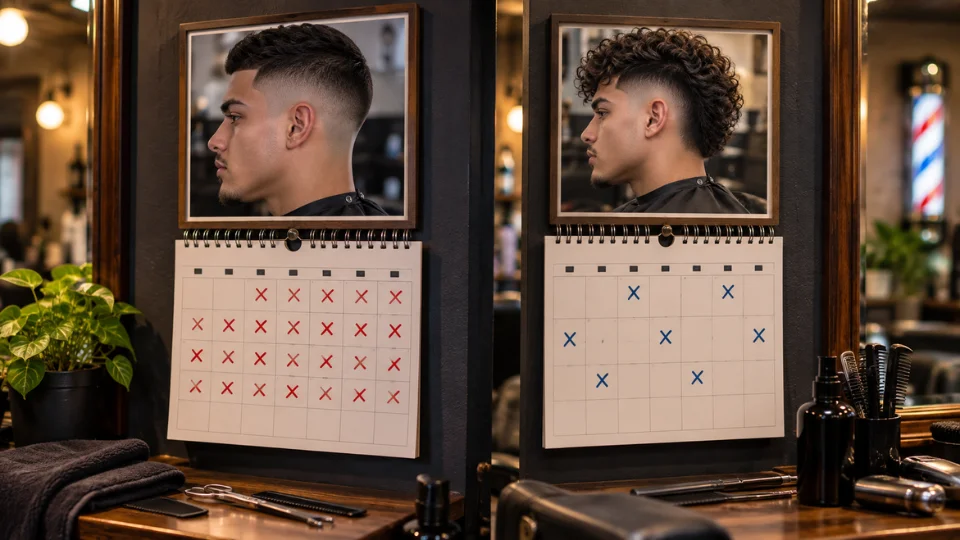
| Growing Out | Curve blurs gradually over a few weeks | Root shadow appears within 3–7 days |
| Cost Over Time | Moderate | Higher, due to frequent visits and skill premium |
Here’s something most guides skip: the real cost difference between these two styles isn’t just the price tag per visit. It’s how often you’re back in the chair. A skin fade that costs the same as a burst fade per cut can still end up pricier over a year simply because it needs touch-ups almost twice as often.
Growing Out Process: What to Expect
Skin fades are honest about their age. Within three to seven days, you’ll start to see a faint shadow where the bare skin was, because hair grows back visibly against skin almost immediately. It’s not a bad look right away, but it does read as “due for a cut” faster than most people expect.
Burst fades age more gracefully. Since there’s no bare-skin baseline to contrast against, the curve simply softens and blurs over time. You’ll usually get an extra week or so of “still looks intentional” before it starts looking unkempt.
If you’re the type who books haircuts around your calendar rather than your mirror, that difference matters more than most people realize. For a look at the equipment barbers rely on to keep both fade types sharp, see our barber tools guide.
Cost Comparison
Pricing varies a lot by region and by shop, so treat these as general patterns rather than fixed numbers. Skin fades often carry a small premium at many barbershops because of the extra time and precision razor work involved, some shops even list “skin fade” as an upcharge option on their menu. Burst fades can sometimes cost more too, particularly at shops that price curved or “designed” fades differently from a standard straight fade.
The bigger cost factor, honestly, is frequency. A skin fade that needs a visit every 10 to 14 days will add up faster over a year than a burst fade on a 2-to-3-week schedule, even if the per-visit price is identical.
Barber Chair Time and Popularity
A straightforward burst fade typically takes a skilled barber somewhere in the 20-to-35-minute range, depending on how much detail goes into the curve. A skin fade tends to run a bit longer, often 30 to 45 minutes, because of the added razor or foil work needed to get that bare-skin finish clean.
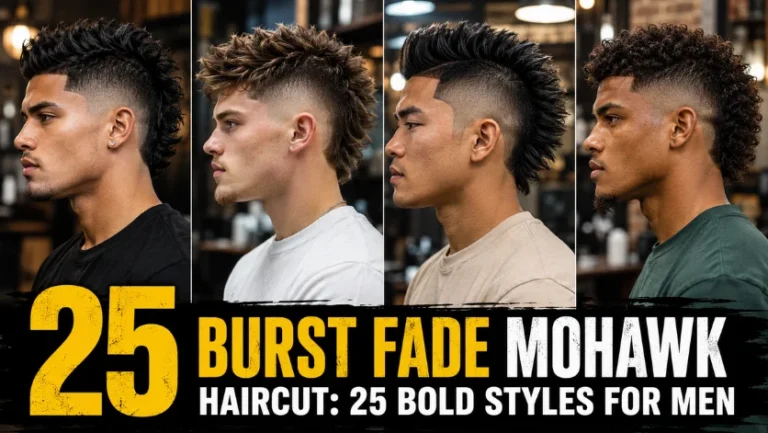
Both styles are consistently among the most-requested cuts at barbershops right now. Skin fades have long been a dependable, evergreen request. Burst fades have been climbing steadily in popularity, especially paired with textured or curly tops and mohawk-style haircuts.
Barber Tips: How to Ask for Each Cut
This is the section that actually saves you from a bad haircut. Knowing the right words to use changes everything.
How to Ask for a Burst Fade
Say something like: “I’d like a burst fade, curve the fade around my ear instead of a straight line, and keep some length on top.” Pair that with a guard number if you know one, such as “a 1 blending into a 4.”
How to Ask for a Skin Fade
Say something like: “I’d like a skin fade, take it down to bare skin, and I want it [low/mid/high].” Specifying the height is non-negotiable here. A high skin fade and a low skin fade look like two completely different haircuts, and “skin fade” alone doesn’t tell your barber which one you mean.
Barbers rely on the same core toolkit for both cuts, professional clippers, precision trimmers, and often a straight razor or foil shaver for skin fades. Understanding clipper guard numbers and what each tool does helps you describe what you want with more confidence.
Barber Tip: If you’re nervous about committing to a full skin fade on your first try, ask for a “guard 1 skin fade” instead of going bald at the sides. It gives you the sharp, clean look without the highest-contrast finish, and it’s an easy adjustment for future visits.
Common Mistake
Saying “fade” without specifying burst, skin, or taper, this leaves too much open to interpretation.
Requesting a skin fade without stating a height (low, mid, or high).
Letting a burst fade grow out too long, which makes the curve harder to maintain cleanly.
Using heavy, shiny pomade on a burst fade, which flattens the texture that makes the curve pop.
Skipping a reference photo, especially at a new shop or with a new barber.
Which Fade Should You Choose?
There’s no single “correct” answer here. The right pick depends on your hair, your face shape, your schedule, and honestly, your tolerance for barbershop visits.
Best for Office Workers
A low skin fade generally reads as the most polished, professional option. It’s clean, controlled, and works with virtually any formal dress code.
Best for Students
Either style works well here, but a burst fade often gives you more room for personal expression without crossing into “unprofessional” territory, useful if your schedule doesn’t always allow for tight 10-day touch-ups.
Best for Athletes
A skin fade tends to win for athletes, mainly for comfort. Less hair on the sides means less heat retention and less sweat buildup during intense activity.
Best for Trend-Focused Guys
If you want your haircut to make a statement, a burst fade, especially paired with a design or a longer, textured top, tends to deliver more visual impact and more room to experiment.
If you’re drawn to skin fades but also love the burst shape, remember: you don’t have to choose. A burst skin fade gives you both. And if you’re still torn between a skin fade and a more traditional straight-line option, our taper fade vs skin fade comparison can help you settle that question too.
Frequently Asked Questions
Final Verdict: Burst Fade or Skin Fade?
At the end of the day, remember the core distinction: burst is about shape, skin is about depth. They’re not really rivals, they’re two different design decisions that can even work together.
Choose a burst fade if you have curly, wavy, or thick hair, want a bold and textured look, and don’t mind a barber visit every couple of weeks. Choose a skin fade if you want the sharpest, cleanest contrast possible, prioritize a polished professional look, and are comfortable with more frequent touch-ups.
And if you genuinely can’t decide? Ask your barber about a burst skin fade. You’ll get the curved shape you like with the sharp, high-contrast finish you’re drawn to, the best of both worlds, in one haircut.
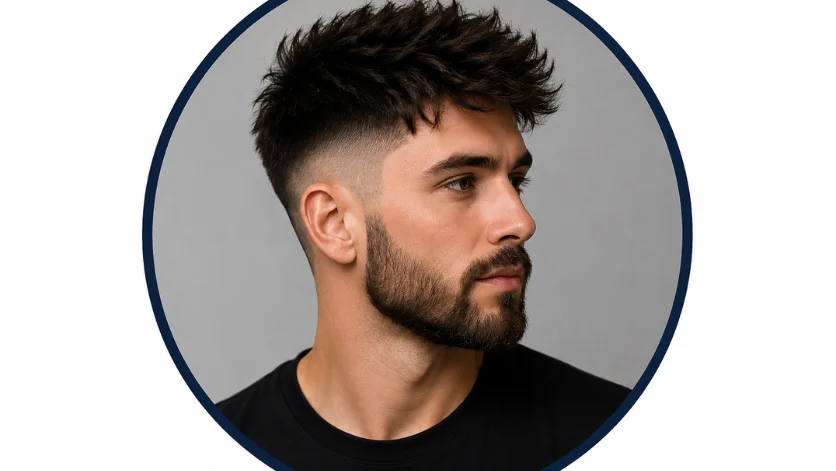
About Ryan Carter
Men’s Hairstyle Writer & Grooming Content Specialist
Ryan Carter is a men’s hairstyle writer and grooming content specialist at BurstFadeBlog.com, specializing in burst fade haircuts, fade variations, and modern men’s hairstyles. He researches professional barbering techniques, current hairstyle trends, and trusted grooming resources to create practical, easy-to-follow haircut guides. Ryan regularly reviews and updates his articles to ensure every guide remains accurate, up to date, and genuinely helpful for readers planning their next visit to the barber.
All articles published on BurstFadeBlog.com follow our editorial standards and are reviewed regularly to ensure accuracy, freshness, and reader value.